Home
Product
Order to cashSell, collect, and recognize revenue. Procure to payControl every purchase through payment. Accounting and closeKeep the ledger ready to close.
More
Pricing Blog Contact Sign in Let’s begin
Order to cash

From yes to paid. Nothing falls between.

Quote, invoice, collect, and recognize revenue on the same ledger.

The Invoices list in Caytava: $164,556.16 open and $64,670.00 overdue, with each invoice's customer, date, balance and status.
Order to cash, from quote through recognized revenue
The flow

Six steps. One record.

01

Customer

Keep terms, contacts, tax details, and the full account history together.
02

Quote

Price the work, route approval, and turn an accepted quote into an invoice.

03

Invoice

Bill once or on a schedule. Send from the customer record.

04

Get paid

Accept payment in the portal and apply it to the right invoices.

05

Collect

Work the overdue queue with the promise and conversation in view.

06

Recognize

Build schedules from the contract and post revenue to the ledger.
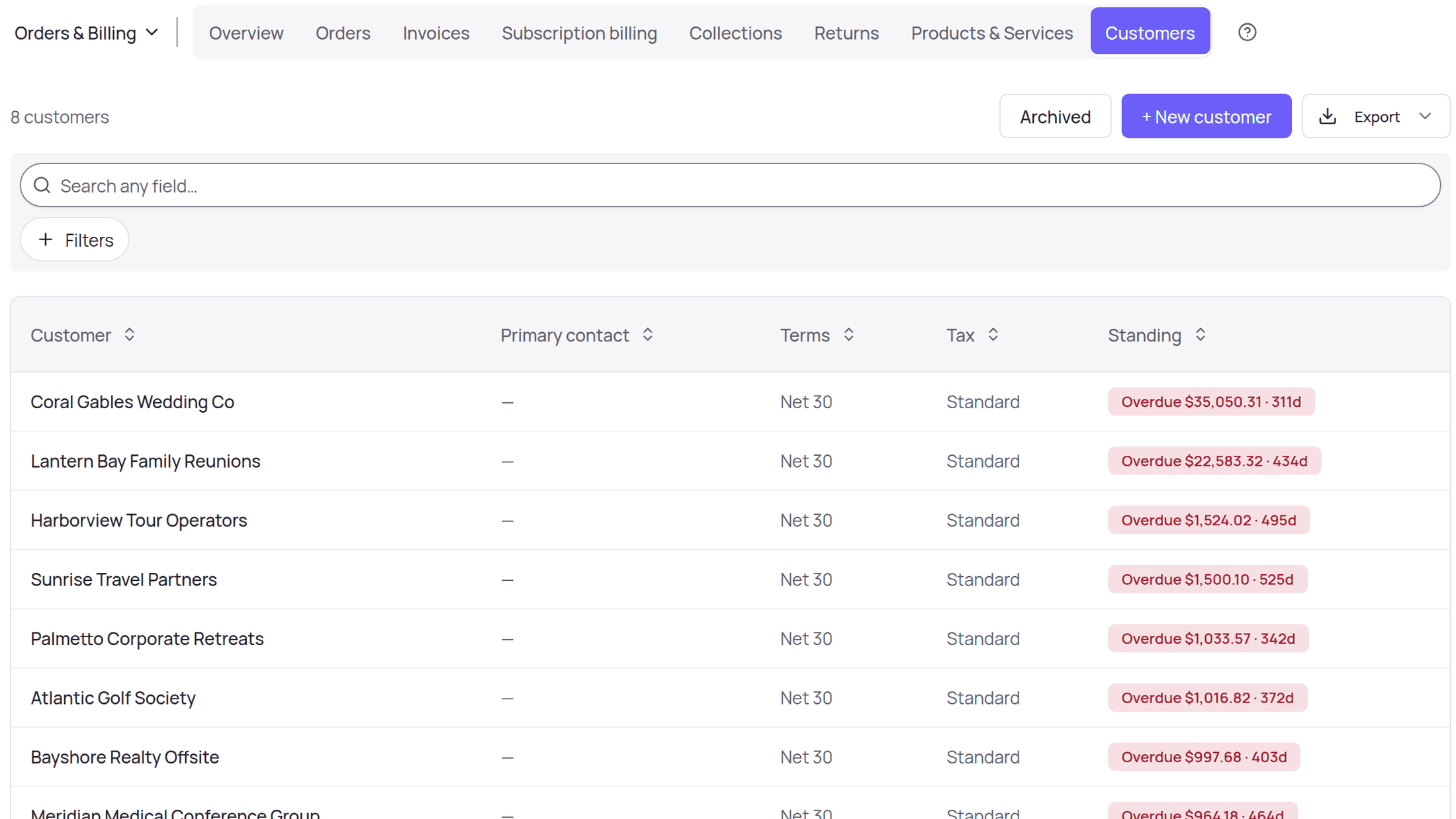
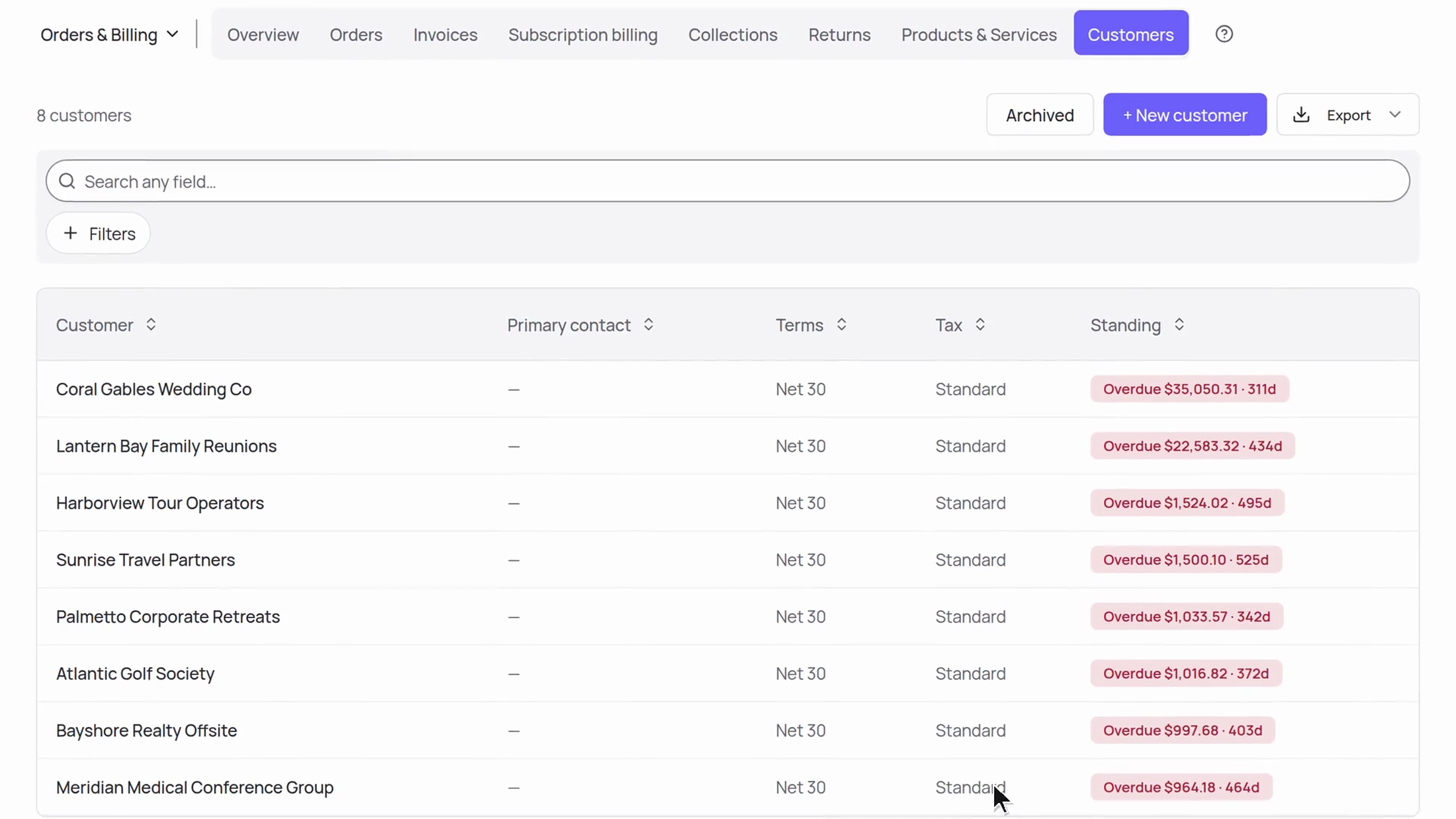
The Customers list in Caytava: each customer's terms, tax setting and standing.
Customers, terms and standing
Customer portal

Give customers one clean account.

Quotes, invoices, payments, and conversations stay in one place.

Accept quotesCustomers review and accept without an email chain.
See every open invoiceDue dates, credits, payment history, and documents are clear.
Pay the balance onceOne checkout can cover every open invoice.
Control the cash

Know what is moving.

The customer record, receivable, payment, and revenue schedule agree because they share the same ledger.

Billing

Approval before send

Route discounts, terms, and invoices above your thresholds.

Cash application

Match first

Apply payments automatically when the evidence is clear. Review the rest.

Collections

One working queue

Prioritize overdue balances by amount, age, and promised date.

Revenue

Schedules with proof

See the source contract, changes, postings, and remaining balance.

Order to cash

Close the distance between the sale and the cash.